How do Climate Conditions Affect Insulated Roofing Performance?
- Thermal resistance and heat flow
- Moisture accumulation
- Efficiency of cold roofs
- Thermal expansion
- Structural integrity
Overview
- Climate conditions significantly influence insulated roofing performance by affecting thermal resistance, moisture control, ventilation efficiency, thermal expansion, and structural integrity.
- Extreme heat, humidity, rainfall, and strong winds can impact long-term durability and energy efficiency.
- Choosing high-quality, properly installed insulated roofing helps maintain comfort, protection, and performance in Philippine weather conditions.
The Philippines experiences extreme weather, including intense heat, heavy rain, and strong winds, which can strain roofing over time.
Insulated roofing offers a practical solution by helping to regulate indoor temperatures, improve comfort, and increase energy efficiency in all weather conditions.
But how do climate conditions affect the performance of insulated roofing? Read more to see how heat, rain, and wind all play a role in how your roof performs over time.
Thermal Resistance and Heat Flow
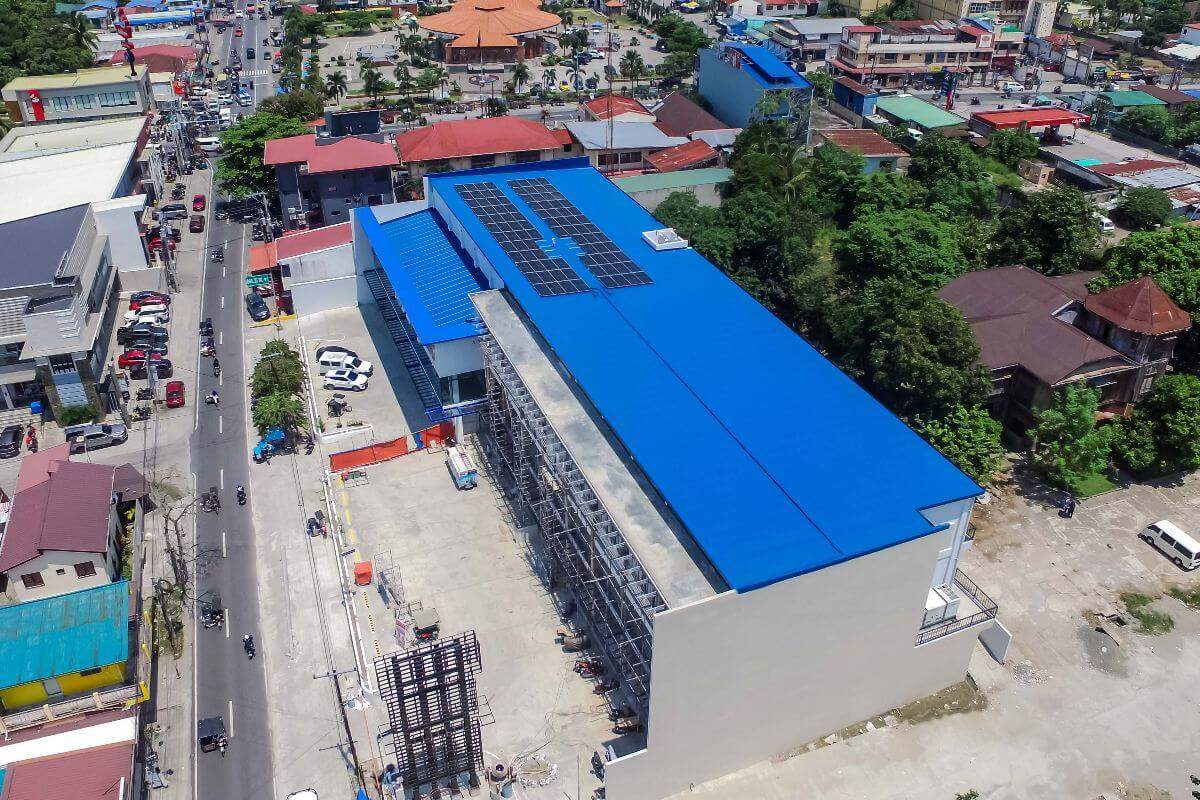
Climate conditions directly affect how well insulated roofing panels resist heat transfer. In hot and humid environments, roofing systems are constantly exposed to solar radiation, increasing the amount of heat that enters the building.
High-quality insulated panels help slow this heat flow by maintaining a stable thermal barrier between outdoor and indoor spaces. One of the most effective insulation materials used in modern roofing systems is polyurethane foam, known for its excellent thermal resistance and ability to reduce heat transfer even in extreme weather conditions.
However, prolonged exposure to extreme temperatures can impact overall thermal performance if materials are not designed for the local climate. Selecting insulated roofing panels with proven thermal resistance helps improve indoor comfort, reduce cooling loads, and support long-term energy efficiency.
Moisture Accumulation
Humidity, heavy rainfall, and condensation can significantly affect the performance of insulated roofing. When moisture penetrates roofing materials or insulation cores, thermal efficiency may decrease because water conducts heat more readily than dry insulation.
This becomes even more critical over time, as trapped moisture can lead to mold growth, corrosion, and gradual material deterioration. In tropical climates with year-round high humidity, these risks are more pronounced and require careful consideration during roofing design and installation.
To help minimize moisture-related issues, proper panel installation is essential, along with weatherproof sealing and moisture-resistant materials. Incorporating correct roof slope design for effective drainage, high-quality vapor barriers, and tightly sealed panel joints also helps prevent water ingress and supports long-term roofing performance.
Efficiency of Cold Roofs
Cold roof systems rely on ventilation and insulation working together to regulate roof temperatures. Climate conditions play a major role in determining how effectively these systems perform. In warmer regions, proper airflow beneath the roof covering helps reduce heat buildup, preventing excessive temperatures from transferring into occupied spaces.
During periods of high humidity, adequate ventilation also helps reduce the risk of condensation, which may compromise insulation performance. Incorporating insulated roofing panels into cold roof designs can improve thermal control while supporting energy-efficient building operation. The result is a more comfortable indoor environment and reduced dependence on mechanical cooling systems.
Thermal Expansion
In the Philippines, intense summer sunlight and daily temperature fluctuations cause roofing materials to expand when exposed to heat and contract when temperatures cool. While this movement may seem minor at first, repeated cycles of expansion and contraction can gradually put stress on roofing components.
In areas exposed to strong sunlight and significant temperature fluctuations, this constant material movement can affect panel joints, fasteners, and sealants, compromising overall roof integrity.
Structural Integrity
Strong winds, heavy rain, and constantly changing weather patterns directly affect the structural integrity of insulated roofing systems. These climatic conditions continuously place physical stress on roof structures, increasing the load on panels, joints, and fastening systems over time.
During extreme weather events, wind uplift forces and heavy rainfall can intensify pressure on the roofing assembly, testing its overall strength and stability. Prolonged exposure to moisture and repeated temperature fluctuations can also contribute to gradual material weakening, which impacts how the entire roofing system maintains its structural integrity over its service life.
Get Climate-Ready Insulated Roofing Solutions From Metalink
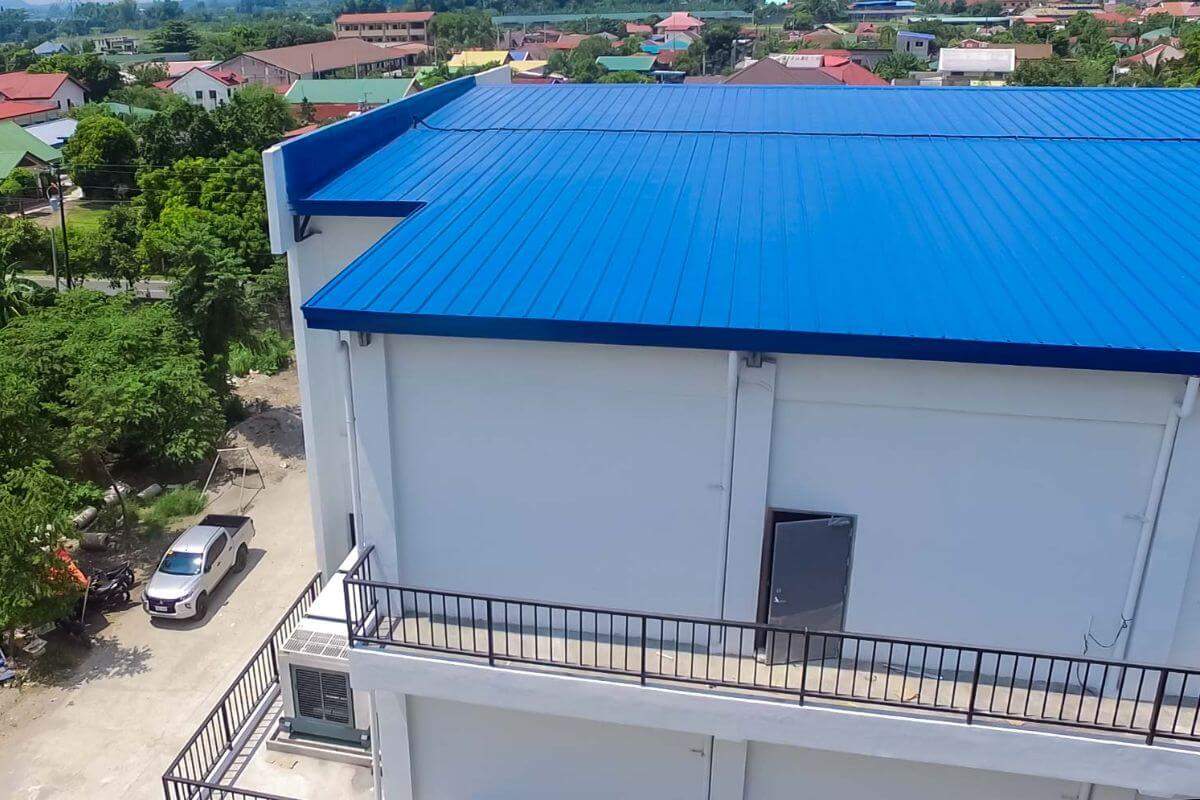
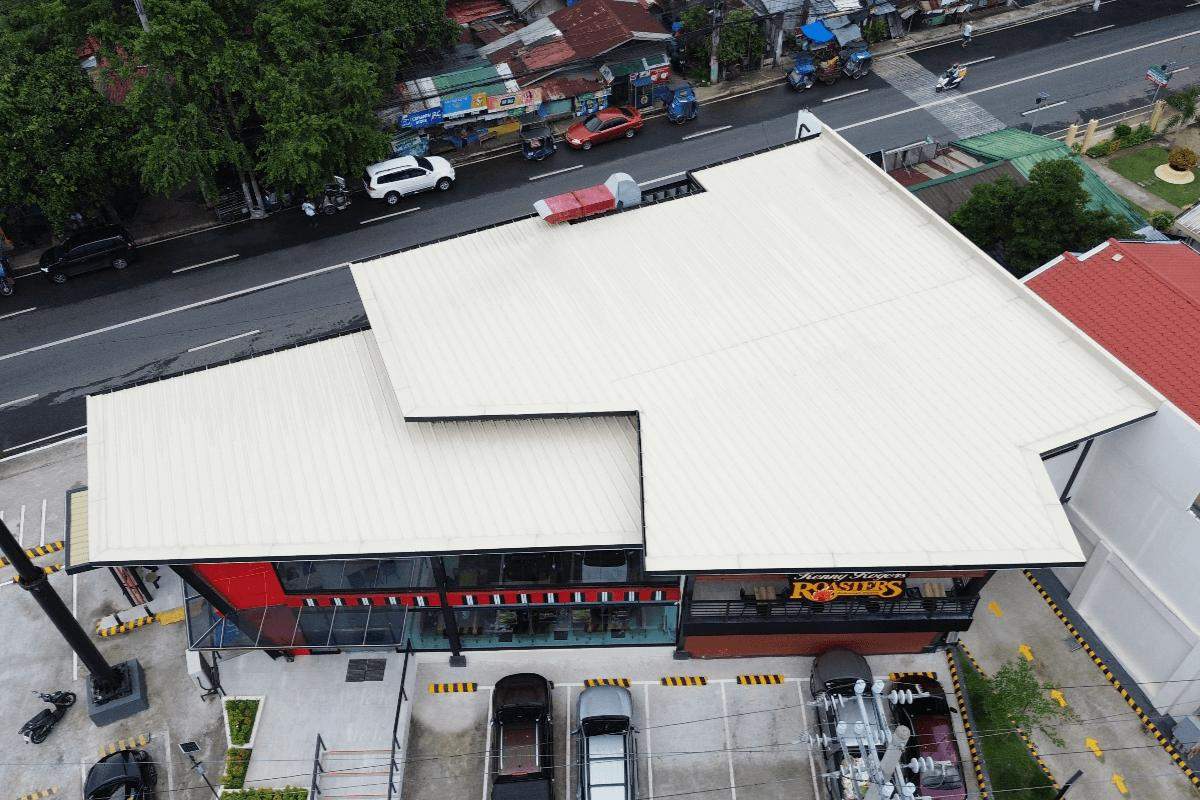
Metalink offers climate-ready insulated roofing solutions specifically designed for Philippine weather conditions. The Metakool Rib Roof System integrates insulation, durability, and aesthetics to protect residential, commercial, and industrial structures against heat, rain, and varying climate conditions.
Our panels come with insulation thickness ranging from 25 mm to 200 mm and metal thickness from 0.4 mm to 0.6 mm, enhancing thermal efficiency and long-term performance. Available in Stone-Coated, Standard Pre-Painted, and Tektura finishes, the system can be tailored to different design requirements.
Supported by in-house roll-forming technology, advanced testing, and professional installation, Metalink delivers roofing systems engineered for reliability, comfort, and long-term durability in all environments.
Key Takeaway
The question of how climate conditions affect insulated roofing performance can be understood by examining how weather influences roofing systems over time. Exposure to intense heat, heavy rainfall, and fluctuating temperatures directly impacts the ability of insulated roofing to maintain thermal efficiency, structural stability, and long-term durability.
Ready to build with roofing designed for real climate conditions? Explore Metalink’s insulated roof panels built for lasting performance, comfort, and protection. Talk to our team today, and let’s help you create a stronger, more efficient roofing system for your next project.