What is the ideal roof insulation for tropical countries like the Philippines?
- Insulated Roof Panels (Sandwich Panels)
- Reflective Foil Insulation
- Stone-Coated Metal Roofing
- Vented Ridges/Attic Fans
- PE Foam Insulation
- Spray Foam (Polyurethane)
- Fiberglass/Cellulose Insulation
Overview
- The ideal roof insulation for tropical climates depends on structure, budget, and performance needs, with options like insulated panels, foil, and spray foam offering varying benefits.
- The article explores insulation types that reduce heat, improve efficiency, and suit different residential applications in humid environments.
- Metalink delivers reliable, high-performance insulated roofing solutions tailored for tropical conditions and long-term value.
Rising solar heat is placing greater pressure on residential roofing systems due to intense heat and high humidity. This leads to indoor heat buildup, increasing homeowners’ dependence on cooling systems. As a result, insulation is now becoming a required consideration in residential roofing selection.
Roofing supply now includes multiple insulation systems, each with varying performance in heat resistance and moisture control. But what is the ideal roof insulation for tropical countries like the Philippines, and how can suppliers determine which systems perform best in these conditions?
As a leading supplier of insulated roofing systems in the Philippines, Metalink has the reliable solutions you seek. Continue reading to learn more.
Insulated Roof Panels (Sandwich Panels)
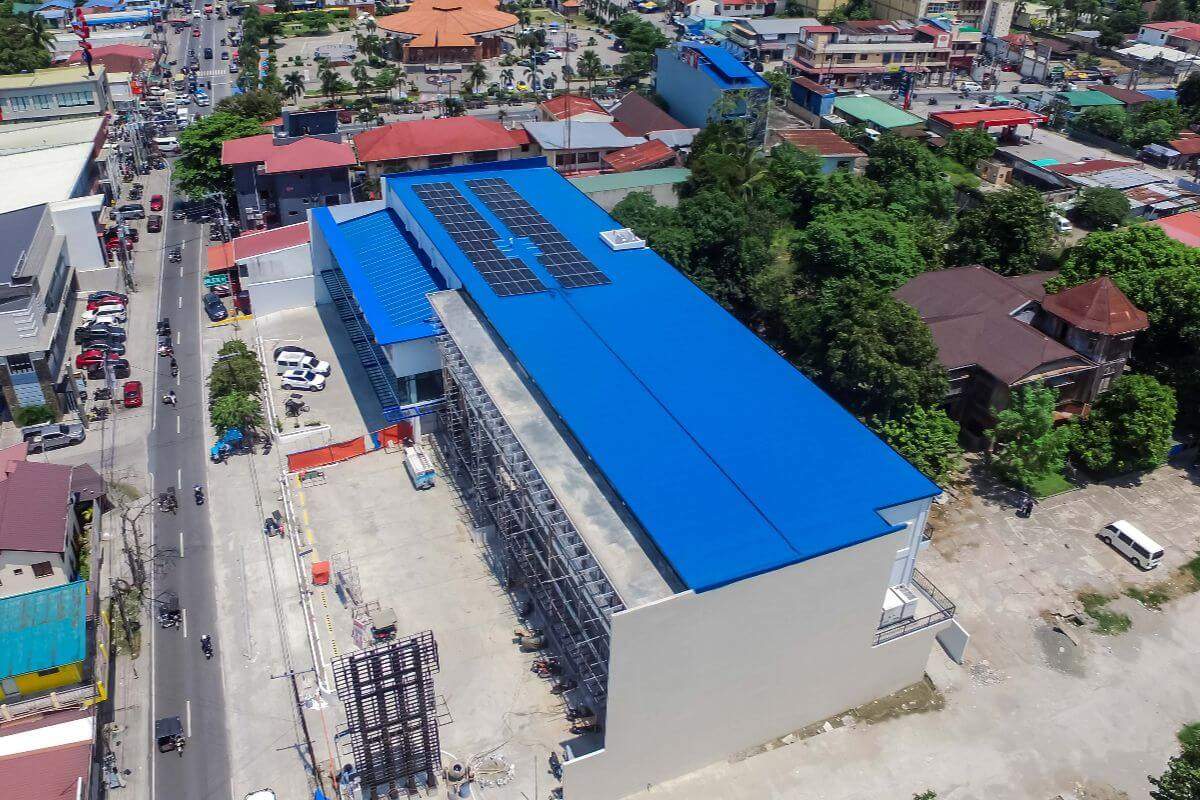
Insulated roof panels combine structural roofing and insulation into a single bonded system designed to control heat before it enters living spaces. Their consistent performance not only lowers energy consumption but also improves thermal predictability in residential builds.
Heat control is achieved through a rigid insulation core sandwiched between metal sheets, reducing both radiant and conductive heat transfer. The METAKOOL Rib Roof uses this configuration to maintain stable thermal performance while also providing structural rigidity suited for tropical exposure. Because the insulation layer is factory-bonded, performance is not dependent on on-site installation layering accuracy.
Reflective Foil Insulation
Another popular common solution for tropical settings is reflective foil insulation. This reflects solar radiation away from the roof surface before it penetrates interior spaces. This makes it particularly effective for homes that require lightweight roofing structures, and as such, see high demand for cost-sensitive housing types.
Compared to traditional materials, these are a more cost-efficient upgrade for existing roofing systems. Dealers benefit from its compatibility with multiple roof types, making it easy to bundle with other roofing products. It also appeals to contractors who handle retrofit or renovation projects, so it moves well in replacement-driven structures where full roof replacements are not required.
Stone-Coated Metal Roofing
Stone-coated roofing addresses both thermal performance and aesthetic requirements in residential constructions. Its layered composition reduces heat absorption while maintaining a traditional appearance suited for mid- to high-end housing projects. This combination makes it popular in design-driven residential developments, though it may come at a slightly higher premium compared to other options.
At Metalink, storeowners can source stone-coated solutions that meet both functional and design requirements in residential builds. These include the following profiles:
- Rib Roof: Stonerib, Primeraroof
- Tile Roof: Stonetile
- Low Slope Roof: Flexseam, Ecoseam
- Horizontal Roof: Havana Tile, Havana
- Curved Roof: Flexseam Curved
- Corrugated Roof: Metacorr
- Insulated Roof: Metakool Rib Roof
Vented Ridges/Attic Fans
Homes with attics often experience trapped hot air that radiates into interior spaces. Ventilation systems like ridge vents and attic fans help by expelling hot air and drawing in cooler outside air. This lowers roof temperatures and reduces heat buildup in enclosed attic spaces.
The value of this solution lies in its ability to improve thermal performance without altering the primary roof system. It supports existing insulation by preventing heat saturation in the attic layer. This makes it suitable as an add-on component for both new builds and retrofit applications.
PE Foam Insulation
Polyethylene (PE) foam insulation is a lightweight synthetic foam material used as thermal insulation in layered roofing systems. It is an insulative solution that uses a closed-cell structure, trapping air and slowing conduction through roofing layers. This reduces heat transfer into interior spaces under tropical conditions.
Its structure also helps limit moisture penetration, reducing condensation buildup in humid environments. The demand for this component is driven by its affordability and ease of installation in standard roofing assemblies. It’s commonly used in entry-level residential projects for its cost-efficiency and reliable thermal performance.
Spray Foam (Polyurethane)
Used in high-performance housing projects, spray foam insulation delivers sealing performance by expanding and filling roof cavities completely. This eliminates air gaps that typically allow convective heat transfer through roofing assemblies. With proper installation, it reduces heat infiltration and ensures more stable indoor temperatures. It also adds rigidity to the roofing system while providing a strong moisture barrier.
The high value of spray foam comes from its ability to perform both insulation and air sealing in a single application, minimizing the need for separate layered systems. This lowers long-term energy loss, which leads to lower cooling loads over time. Spray foam sees the highest demand in premium and energy-efficient developments.
Fiberglass/Cellulose Insulation
Fiberglass and cellulose insulation act as fibrous thermal barriers that trap air to reduce heat transfer. This slows conductive heat flow from the roof into interior spaces. They are typically installed in ceiling cavities or attics where heat buildup is less noticeable.
Their continued use is supported by low material cost and predictable performance, qualities that contractors appreciate. They also integrate easily into standard roofing systems without requiring specialized modifications. This makes them a reliable baseline option for general-purpose insulation supply in tropical projects.
Benefits of Insulated Metal Roofs in the Philippines
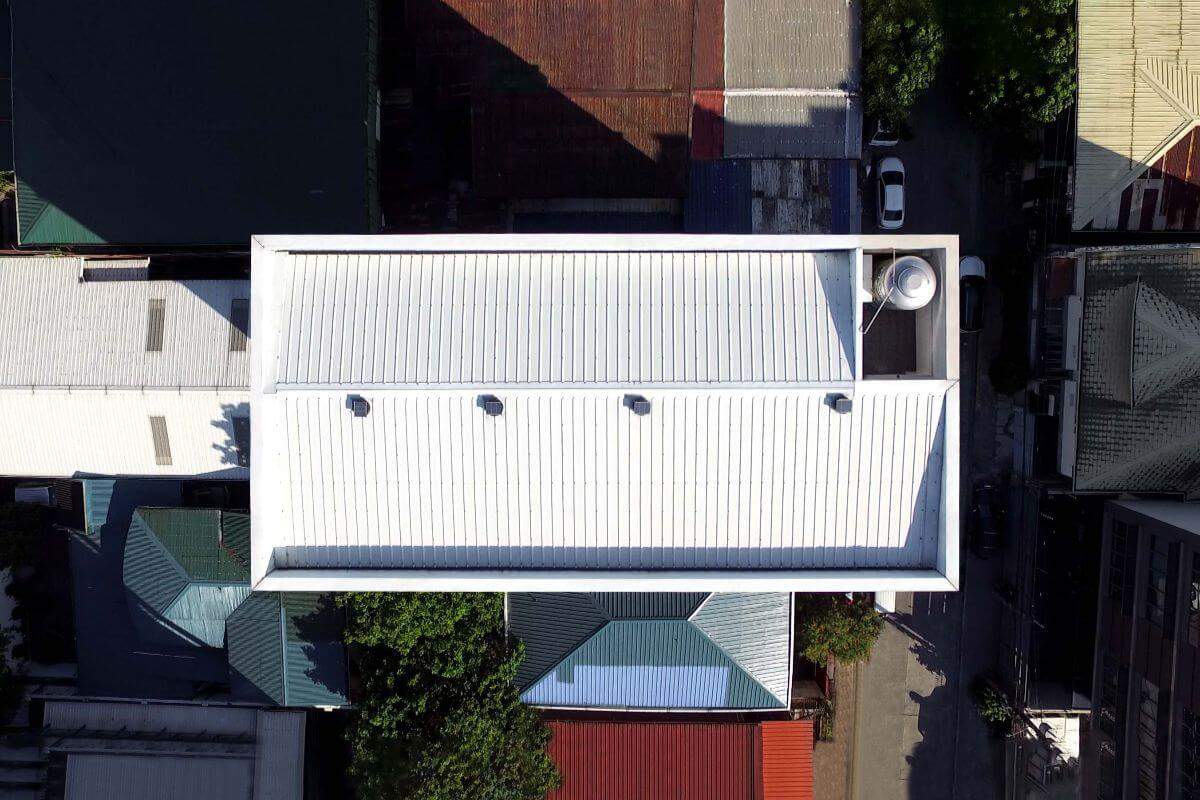
Insulated metal roofs improve overall building performance by combining structural durability with thermal control. The following benefits drive their competitive potential in tropical settings:
Energy Efficiency
These solutions reduce heat transfer through layered roofing systems that limit solar gain. This directly lowers indoor cooling needs, leading to measurable energy savings.
Durability Against Weather
Through corrosion-resistant metal layers and protective coatings, insulated roofs maintain strong thermal control even in harsh weather conditions.
Sound Insulation
Thermal panels reduce external noise penetration through their dense and tightly layered construction. These layers absorb and dampen airborne and impact noise effectively.
Key Takeaway
So, what is the ideal roof insulation for tropical countries like the Philippines? The answer largely depends on the type of housing and the kind of materials it requires. For the best results, it’s recommended to choose solutions from a reliable supplier.
Metalink provides high-quality roofing solutions that align with these performance requirements. Get a quote today to find insulated roofing systems designed for durability and excellent thermal control.