Overview
- This article discusses the most common questions customers ask about insulated roof panels, including cost, durability, insulation materials, and performance.
- It helps roofing suppliers recommend suitable solutions tailored to project requirements, energy efficiency, weather resistance, and long-term value, while highlighting Metalink’s reliable insulated roofing systems for diverse construction applications.
Staying competitive in the roofing supply industry means knowing how to recommend the right insulated roof panel based on customer needs, project requirements, and long-term value.
Many of the questions customers ask about insulated roof panels center on energy savings and overall cost efficiency. If you can explain these factors clearly, you can guide your buyers toward roofing systems that match their project’s needs.
In this guide, we’ll discuss the most common customer concerns that store owners must be prepared to answer when recommending panels.
Cost and Return on Investment
Questions about costs usually indicate that customers are comparing short-term pricing with long-term roofing performance. Understanding the financial logic behind insulated systems helps explain where that added value actually comes from.
Are Insulated Roof Panels More Expensive Than Traditional Roofing?
Customers often need to assess whether insulated roof panels fit their budget. While these systems usually have a higher upfront cost due to their integrated roofing and insulation design, they eliminate the need for separate insulation materials and additional installation layers.
More importantly, insulated roof panels should not be judged on initial pricing alone. Their combined structure reduces labor requirements, enhances thermal efficiency, and lowers long-term cooling costs. These make them a cost-effective option for buyers focused on long-term savings and faster project completion.
Is It Worth the Investment?
Without insight into the panels’ investment value, customers tend to hesitate to commit their budget to what could be a beneficial addition to their structures. Roofing systems in countries like the Philippines absorb large amounts of solar heat daily, increasing indoor temperatures and forcing air conditioning systems to work harder. With insulated panels, buyers can enjoy lower long-term energy savings after the initial investment.
Note: the panels’ value varies by project type. Residential buyers might see more value in panels centered on improving indoor comfort. If the panels are meant for commercial or industrial builds, buyers will look for solutions that offer better energy efficiency and lower long-term maintenance needs. Knowing these details allows you to recommend the right type of solution that best suits the customer’s requirements.
Performance and Durability
Customers are often concerned about how roofing systems will perform after installation. Use this opportunity to assure them that the panels are designed to withstand extreme weather and maintain effective insulation even after long-term exposure.
How Long Do Insulated Roof Panels Last?
A long lifespan is what justifies the panels’ higher initial investment for buyers. Typically, this is heavily influenced by exposure to moisture, pollutants, and thermal cycling. Properly manufactured panels can last for decades, especially when the coating system and insulation core are matched correctly to the project’s intended environment.
As the dealer, you should communicate that insulated panels are designed to maintain their structural integrity over the long term. However, their longevity depends on several critical factors, such as how often they’re properly maintained and whether they suit their intended application. This helps customers develop more realistic expectations while also preventing issues caused by poor upkeep.
Can They Withstand Strong Winds and Heavy Rain?
Some clients intend to use thermal roofing in regions affected by heavy rain. They evaluate how well roofing systems withstand strong winds and rapid temperature changes, as these can weaken assemblies if the systems are poorly designed. This makes weather resistance a major factor to consider when recommending insulated roof panels for various applications.
High-quality insulated roof panels are built with reinforced metal skins and interlocking connections that enhance resistance to wind uplift and water intrusion. Their integrated panel structure also reduces the number of exposed overlap points where leaks commonly develop. You can suggest solutions with the panel thickness and fastening quality that customers look for when selecting roofing for typhoon-prone environments.
Technical Specifications and Types
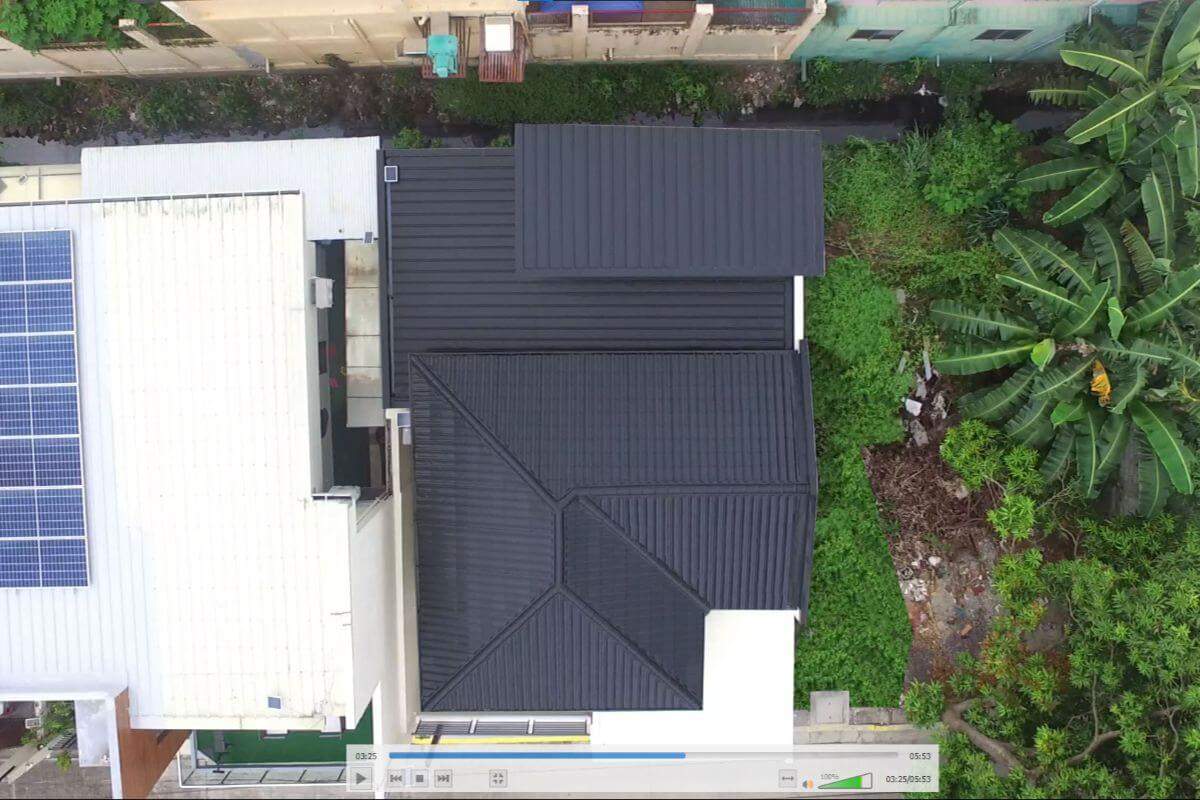
Once customers have decided to get insulated solutions, they’ll want to begin comparing actual product performance. Suppliers must understand insulation materials and panel specifications to better recommend systems that match the buyers’ structural requirements.
What Materials Are Used For the Insulation?
In fire-prone structures, your customers will want reassurance that the panel’s materials can reliably perform under high heat conditions. Polyurethane (PUR), for example, is widely used in these solutions because it offers strong thermal insulation. Expanded polystyrene (EPS) is ideal for its lower material cost, while mineral wool is typically used in applications requiring fire resistance and sound insulation.
For practical recommendations, you should align material choice with the project’s context. It’s also important to inform your customers how insulation type affects total roof weight and installation difficulty, as these variables influence labor costs. Framing it this way allows you to guide them toward a technically and financially appropriate option.
What Thickness Should I Choose?
Thickness is one of the primary variables customers use to evaluate how well an insulated roof panel will perform. For example, a greater insulation core depth increases thermal resistance by reducing heat transfer from the roof surface into interior spaces. This is particularly relevant in buildings with high internal cooling demand.
Residential applications often perform adequately with moderate thickness levels for basic thermal comfort; industrial facilities typically require higher insulation capacity to maintain stable internal temperatures. Aligning thickness with the intended application helps you select and suggest the right product grade for your customer’s project.
Order Reliable Insulated Roof Panels From Metalink
Metalink provides insulated roofing solutions engineered for thermal efficiency and long-term structural reliability across a wide range of applications. Products such as the METAKOOL Rib Roof combine durability and thermal insulation into a single integrated system.
With reliable roofing systems designed for harsh weather conditions, Metalink can be your partner in providing the exact solutions your customers need.
Key Takeaway
Understanding the questions customers ask about insulated roof panels helps suppliers recommend products more accurately based on project-specific requirements. The “whys” behind these concerns makes you better prepared to recommend solutions their buyers can trust.
Metalink provides insulated roofing systems engineered for reliable thermal control in diverse construction environments. With solutions designed for lasting durability, you can achieve customer satisfaction and foster greater trust in your business. Contact us today to get access to high-quality insulated roof panel solutions.