Overview
- Understanding what thermal insulation roofing is essential in the Philippines, where roofs are constantly exposed to heat, affecting indoor comfort and energy use.
- Thermal insulation limits heat transfer, enhances cooling efficiency, and improves overall building performance by using suitable materials, proper installation practices, and long-term energy savings in residential and commercial structures.
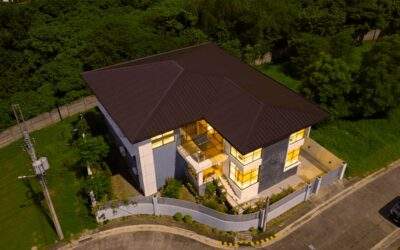
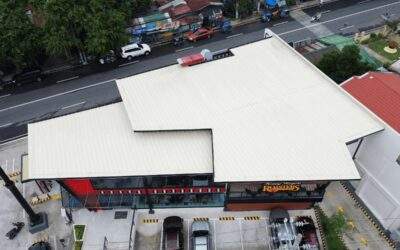
In the Philippines, roofing systems do more than protect buildings from heavy rains and intense sunlight. Because roofs are constantly exposed to heat and solar radiation, they greatly affect indoor temperature and comfort in homes, offices, and commercial spaces.
This makes thermal insulation an important part of modern construction. Designed to reduce heat transfer into indoor spaces, roof insulation helps improve comfort, cooling efficiency, and overall building performance.
Understanding what is thermal insulation roofing today is essential for property owners, contractors, and developers looking to reduce energy consumption and improve long-term roofing efficiency.
Key Aspects of Thermal Insulation Roofing
Knowing the key aspects of thermal insulation roofing helps explain how it improves comfort, energy efficiency, and overall building performance.
Conduction
Materials like foam boards, fiberglass, and spray foam help block heat transfer through solid parts of the building, including decking, purlins, and other structural components. Installing a continuous insulation layer above the roof deck is especially effective in minimizing thermal bridging, where heat can bypass insulation through metal or timber elements.
Convection
Air movement within roof cavities can transfer heat into or out of a building. Proper air sealing—such as spray foam application or taped joints—and well-planned ventilation using soffit and ridge vents help prevent convective loops that can reduce the effectiveness of insulation.
Radiation
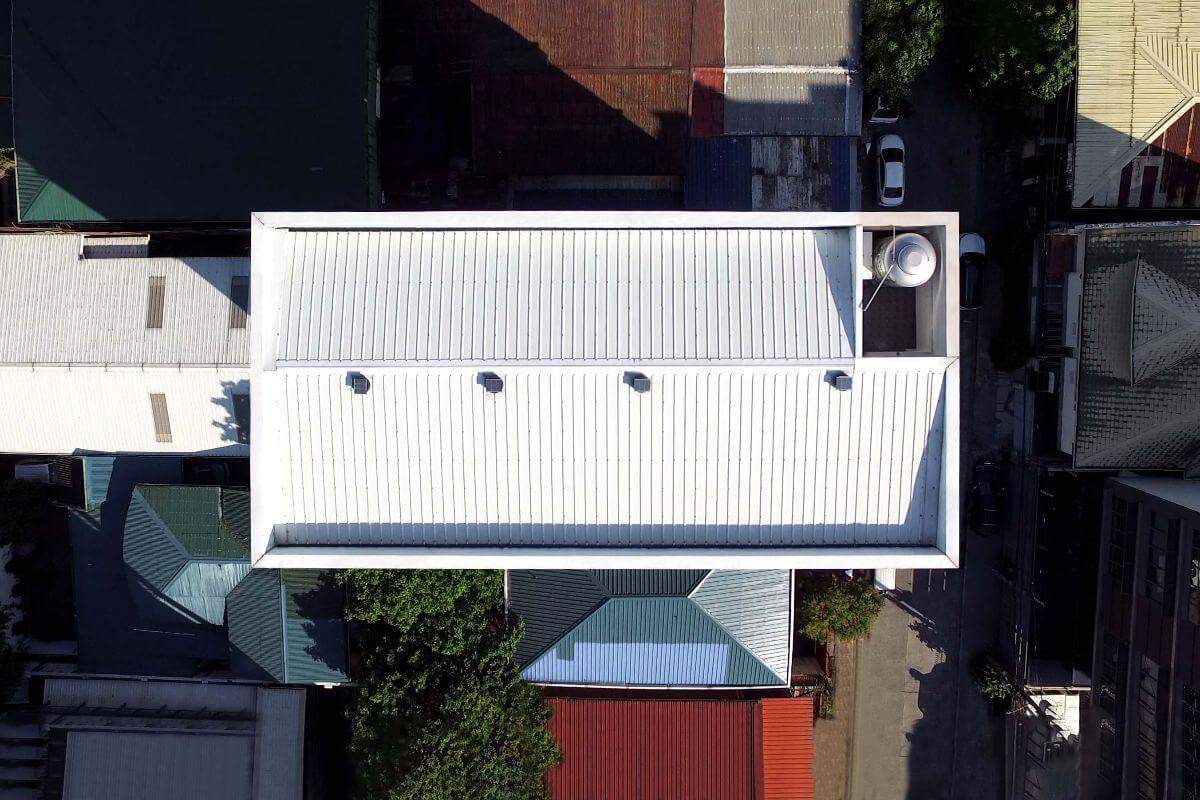
Roof surfaces absorb solar energy and re-radiate heat into the building. Reflective finishes, aluminized layers, and cool roof coatings help reduce this heat gain by reflecting a portion of incoming solar radiation before it reaches the insulation layer and roof deck.
In hot climates, these strategies help reduce indoor heat buildup and cooling demand, while in colder climates, they help retain indoor warmth. When properly designed and installed, roof insulation minimizes temperature fluctuations, reduces HVAC load, and improves overall indoor comfort.
Benefits of Thermal Insulation Roofing
Here are some benefits thermal insulation roofing delivers:
Improved Indoor Comfort
Thermal insulation helps keep indoor spaces cooler by reducing heat transfer through the roof. In Philippine homes and workplaces, this results in less heat buildup during the day and a more comfortable indoor environment.
Lower Energy Costs
Insulation limits the entry of excess heat, reducing the need for constant air conditioning. Electricity consumption decreases while indoor comfort remains consistent, especially in hot and humid conditions.
Protection Against Moisture Issues
Good insulation combined with proper vapor control helps prevent condensation from forming under the roof. This is particularly important in the Philippines, where high humidity can lead to mold growth and corrosion over time.
Longer-Lasting Roofing System
Reduced exposure to extreme temperature changes helps minimize stress on roofing materials. Roofing systems remain more stable, supporting better durability and longer service life.
Reduced Outside Noise
Some insulation materials also help absorb sound, creating quieter indoor spaces. This becomes especially noticeable during heavy rainfall or in areas with constant outdoor activity.
Better Value Over Time
Thermal insulation provides long-term savings through reduced energy consumption and lower maintenance requirements. The initial investment translates into improved efficiency and stronger roof performance over the years.
Common Materials
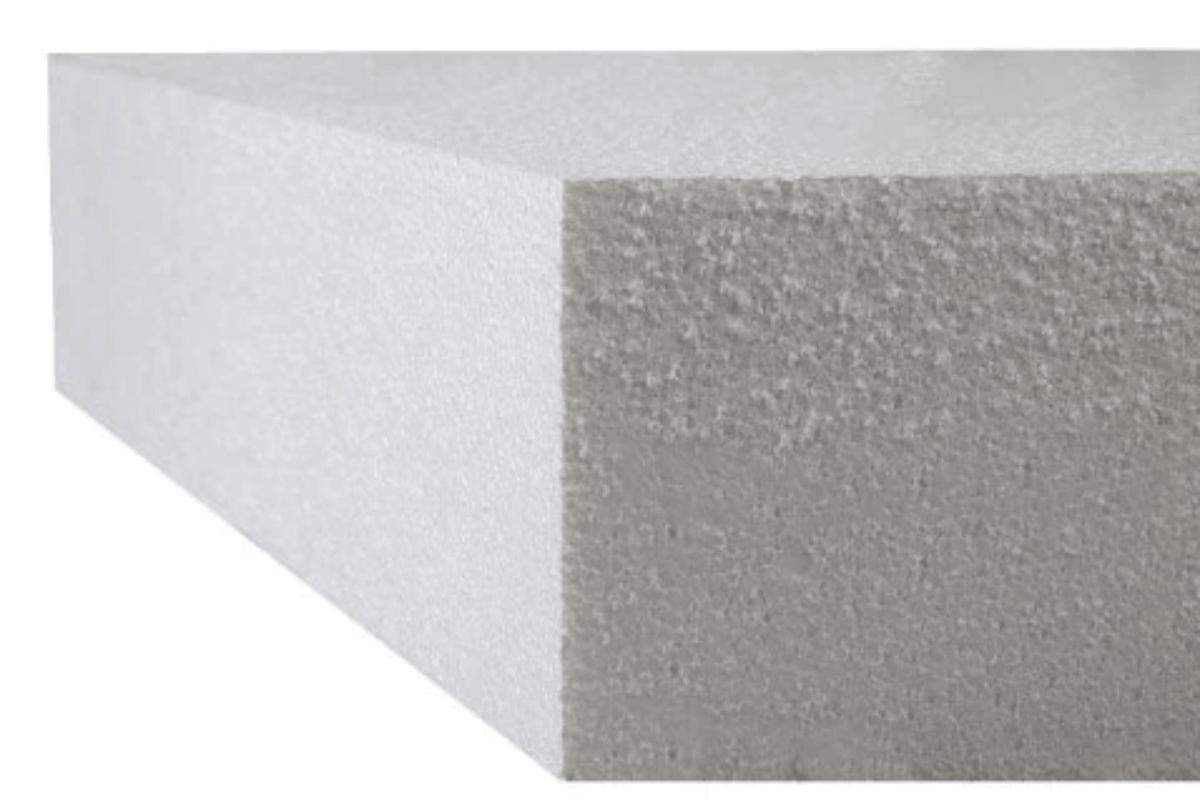
Thermal insulation roofing uses various materials to reduce heat transfer, improve indoor comfort, and enhance building efficiency, depending on the roofing system and project requirements.
Expanded Polystyrene (EPS) Insulation
EPS insulation features a closed-cell structure that reduces heat transfer and improves thermal efficiency. It also helps limit moisture penetration and is commonly integrated into insulated roofing systems to enhance indoor comfort in tropical climates like the Philippines.
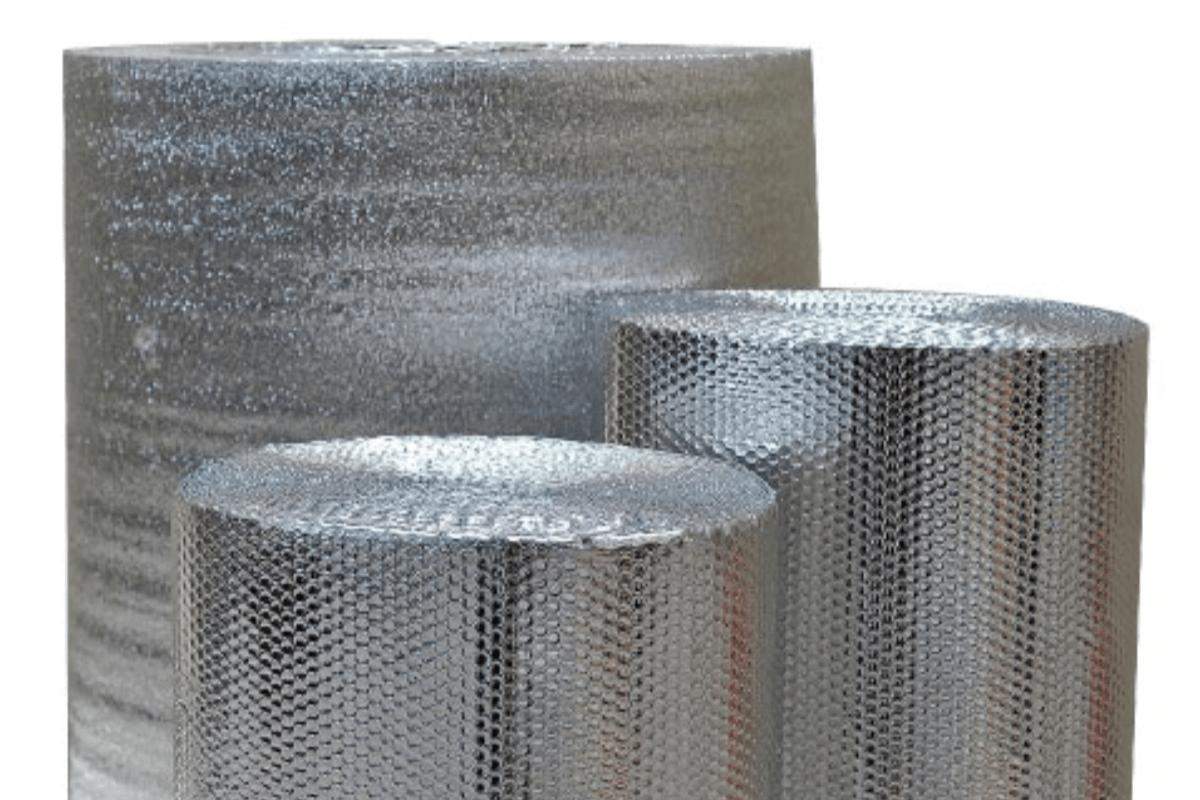
Bubble Insulation (LDPE with Aluminum Lamination)
Bubble insulation combines LDPE foam or bubble layers with aluminum lamination to reflect radiant heat. It helps reduce heat gain from the roof surface and supports better temperature regulation, especially in buildings exposed to strong sunlight and high humidity.
Reflective / Aluminum-Based Insulation
Aluminum or aluminized surfaces are used to reflect radiant heat away from the roof, helping minimize heat absorption. This solution is particularly effective in the Philippines, where roofing systems are exposed to intense and prolonged sunlight.
Spray Foam
Applied in liquid form, this insulation expands to fill gaps and seal irregular spaces, forming a continuous thermal barrier. The result is improved air tightness and more stable indoor temperatures.
Rigid Foam Boards
Rigid foam boards are solid panels that provide reliable and uniform thermal resistance. These are commonly used in roofing systems that require long-term durability and stable heat protection.
Fiberglass
Composed of fine glass fibers, this material slows heat transfer between the roof and interior spaces. It remains a practical choice for both residential and commercial applications due to its affordability and flexibility in installation.
Application Methods
Thermal insulation in roofing can be installed in various ways, depending on the building’s design and performance requirements.
Under-Roof
Insulation is installed beneath the roof deck or within ceiling spaces such as between purlins or rafters. This setup allows easier roof maintenance and helps protect the insulation from weather exposure, but requires proper air and vapor control to prevent condensation and may be less effective due to thermal bridging through structural elements.
Over-Roof
This approach places insulation above the roof deck and beneath the roofing membrane, often using rigid boards or insulated panels, creating a continuous thermal layer that minimizes thermal bridging and enhances overall system performance. It provides stronger long-term protection, though it may require adjustments in roof height and additional flashing details.
Key Takeaway
The performance of a roofing system is not defined by protection alone, but by how well it manages heat, comfort, and efficiency over time.
Addressing what is thermal insulation roofing goes beyond definition—it highlights the role of well-designed roofing systems in reducing heat transfer, stabilizing indoor conditions, and supporting long-term energy efficiency across residential and commercial spaces.
For tailored recommendations and dependable roofing insulation solutions, contact our team today to explore the right system for your project requirements.