Overview
- Modern roofing systems increasingly rely on integrated solutions that combine insulation and structural performance in a single material.
- Sandwich panels address this need by combining metal skins with an insulated core to improve thermal efficiency, strength, and durability.
- They reduce installation time, minimize thermal gaps, and enhance energy efficiency in construction.
- Common applications include industrial buildings, warehouses, cold storage, and residential roofing systems requiring reliable insulation and long-term performance.
Modern roofing systems are expected to provide both efficient installation and reliable insulation in a single solution. While traditional layered approaches can offer adequate performance, they often lack consistency in thermal efficiency. These limitations have increased the demand for integrated roofing materials that deliver more stable and predictable performance in demanding construction environments.
Sandwich panels, in particular, have become a popular choice for their installation efficiency and effective heat control. But what are sandwich panels, and why are they used in roofing systems?
In this article, we’ll explore how these components function in modern construction applications. Continue reading to learn more.
Key Components and Materials
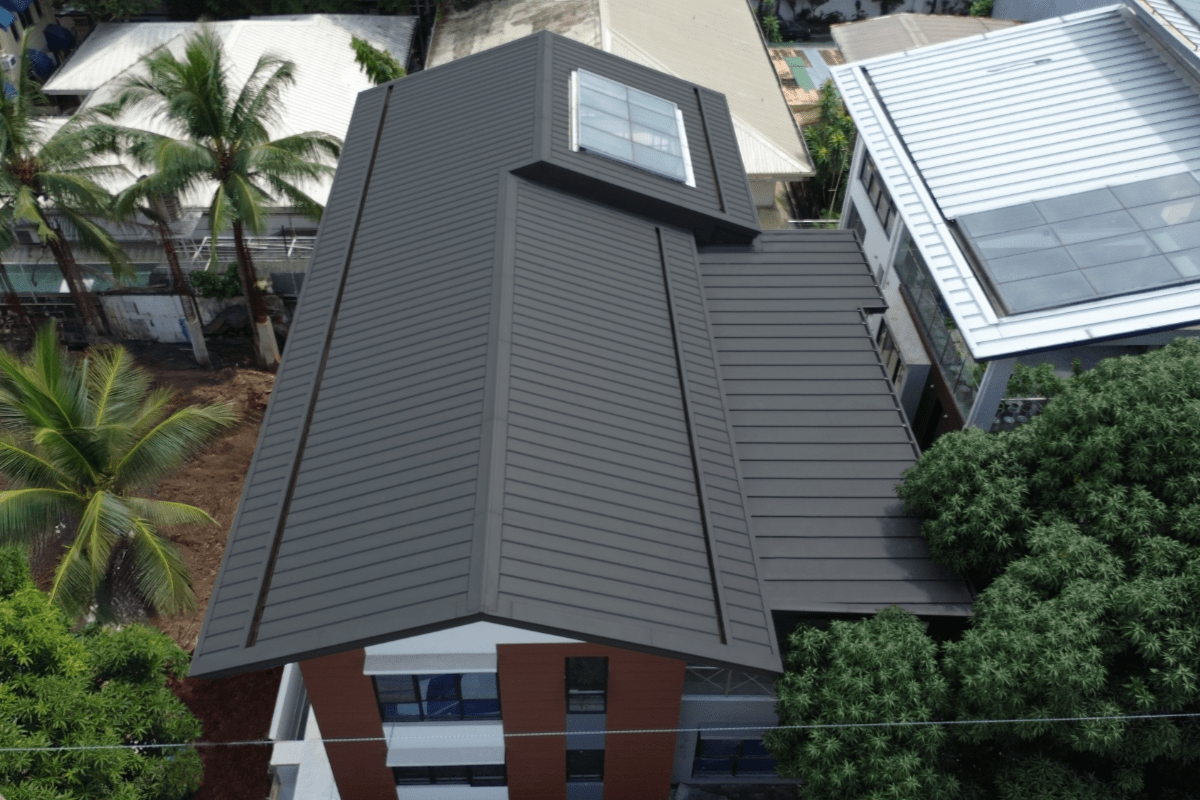
Sandwich panels consist of engineered layers designed to work together in providing both insulation and protection. Each layer serves a distinct function that contributes to the system’s overall performance. Outer Layers (Skins):
Core Material (Insulation)
The insulation core is responsible for reducing heat transfer between the external and internal environments. It stabilizes indoor temperatures by slowing conduction through the roofing assembly.
- PUR (Polyurethane Foam): Provides effective thermal insulation with low heat conductivity and is commonly used in general construction applications. It offers a balanced cost-to-performance ratio.
- PIR (Polyisocyanurate Foam): Delivers higher fire resistance and improved thermal stability compared to standard polyurethane. It is used in applications requiring stricter safety performance.
- Mineral Wool: Offers both thermal insulation and fire resistance due to its non-combustible fiber structure. It is suited for environments with higher fire safety requirements.
- EPS (Expanded Polystyrene): A lightweight insulation material that provides cost-efficient thermal resistance. It is commonly used in budget-sensitive roofing applications.
Main Features and Benefits
Sandwich panels improve roofing performance by integrating insulation, structure, and weather protection into one durable system. This reduces construction complexity while enhancing building efficiency.
High Thermal Efficiency
These panels reduce heat transfer by maintaining a continuous insulation core between metal layers. This limits external heat from entering the building envelope. As a result, indoor temperatures remain more stable under high heat conditions.
The elimination of thermal gaps improves overall energy performance. This reduces uneven heat distribution common in traditional roofing systems. Over time, it helps lower cooling energy requirements.
Lightweight & Strong
Even though they’re lightweight, sandwich panels still deliver greater structural strength than conventional assemblies. The reduced load stress on building frameworks allows them to better support wider spans with fewer support requirements.
Their reduced weight simplifies handling and transport during construction. This improves efficiency during installation and reduces on-site labor demands. Despite their light weight, they maintain strong resistance to structural deformation.
Easy & Fast Installation
Sandwich panels are pre-fabricated, which reduces the need for multiple on-site roofing layers and minimizes material processing during installation. This simplifies assembly and enables construction teams to complete roofing projects more efficiently.
Their modular design also ensures consistent panel alignment during installation, improving accuracy across the roofing system. As a result, labor complexity is reduced, along with the risk of misalignment or installation errors that could affect long-term thermal performance.
Weather Resistance & Durability
Sandwich panels are engineered to withstand prolonged exposure to heat, rain, and humidity. The metal skins serve as a protective barrier against corrosion and external damage, while the insulation core provides stable thermal control to prevent heat buildup beneath the roof surface.
The insulated core also helps prevent moisture penetration into the system. This reduces internal deterioration caused by prolonged water exposure and trapped condensation. As a result, maintenance requirements are significantly reduced over the roofing system’s lifespan.
Acoustic Insulation
Insulated wall panels improve acoustic performance by reducing the amount of external noise that passes through the roofing system. The insulation core absorbs and dampens sound vibrations before they travel into interior spaces. This creates a quieter, more comfortable indoor environment, especially during heavy rain.
The combination of dense insulation material and metal layers helps minimize both airborne and impact noise transmission. This makes sandwich panels suitable for residential and commercial properties located in busy or noise-prone areas.
Common Applications
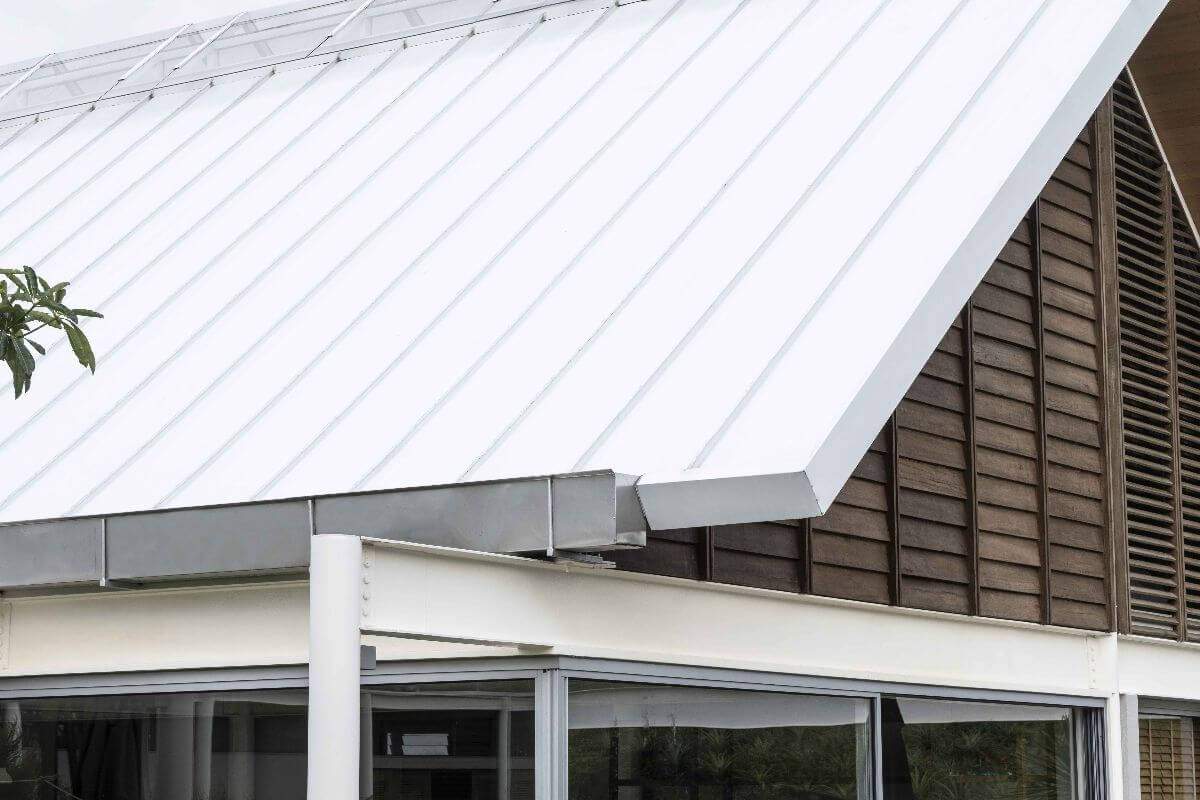
These components are used in construction projects that require efficient insulation and installation. Their versatility allows them to be applied across multiple building types.
Metalink’s METAKOOL Wall Panels are a prime example of quality insulated metal wall panels. Designed for projects that require reliable thermal insulation, it uses expanded Polystyrene (EPS) insulation for effective temperature control. It also provides waterproof and fire-retardant properties for long-term building performance.
Some of their most common applications include:
- Industrial Buildings, Factories,
- Warehouses,
- Agricultural Storage, And
- Cold Storage Facilities.
- Modern Residential (Flat Or Low-Slope Roofs)
Key Takeaway
So, what are sandwich panels in roofing systems? Simply put, these are panels that combine structural layers to improve thermal efficiency and enhance durability in various building applications. When sourced from the right supplier, they become a highly practical option for modern roofing requirements.
Metalink provides engineered panel systems designed for efficient construction performance. Get a quote today to request specifications for your project.